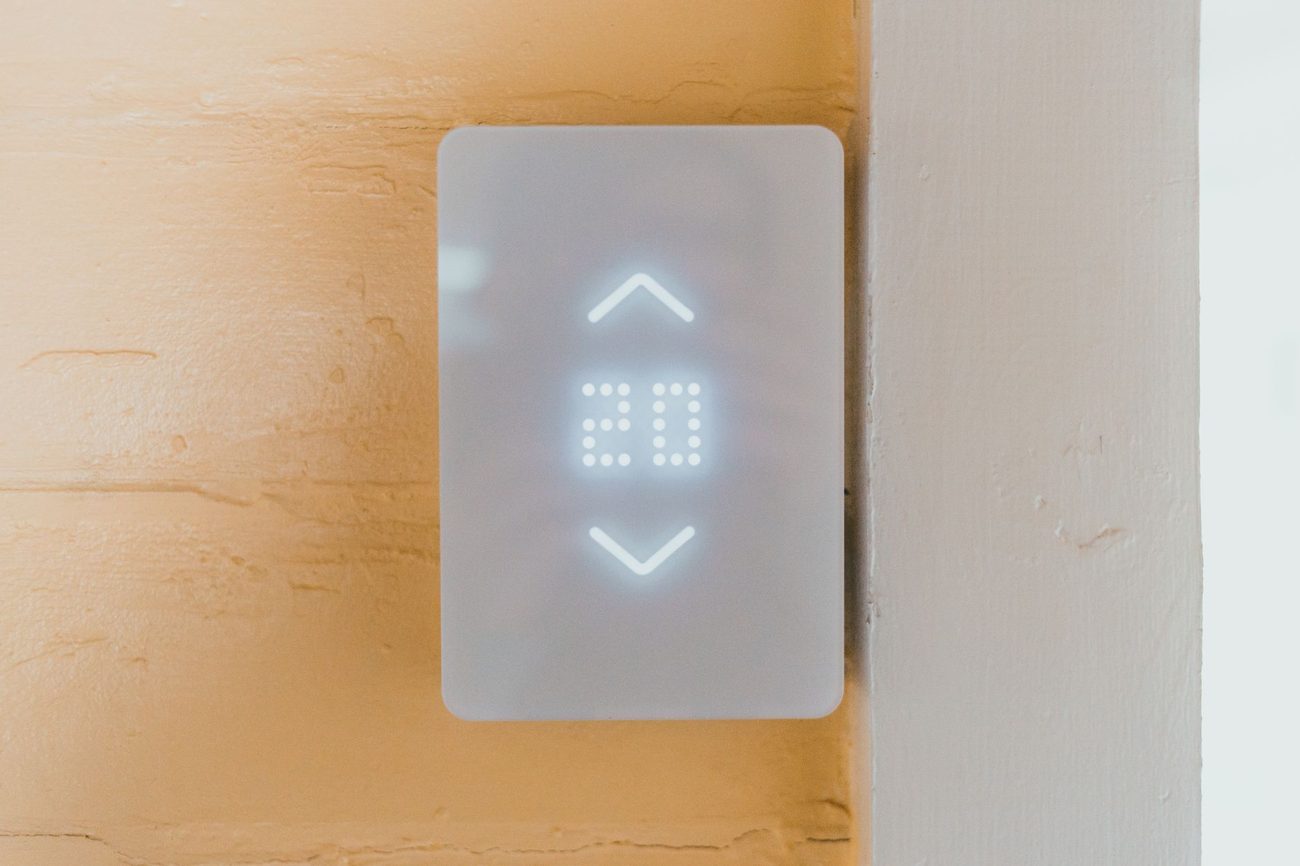
We installed a learning thermostat in March and kept every gas and electric bill for a year, alongside the previous year's bills for comparison. The marketing promises savings of 10 to 12 percent on heating and cooling. Ours came in at about 8 percent, which paid for the $180 device in fourteen months. That is a reasonable return. It is also not the whole story, because where the savings came from matters more than the number.
What the thermostat actually did
Almost all of the savings came from the schedule. The house now sits three degrees warmer in summer and three degrees cooler in winter during the hours everyone is out, and returns to the normal setting half an hour before the first person gets home. On weekends the schedule is different. When the house is empty for a long weekend, it goes into an away mode on its own.
That is it. There is no magic in the learning part. The device figured out our routine in the first two weeks and has not changed much since. A $25 programmable thermostat set to the same schedule would have captured most of the same saving. We know this because the old thermostat was programmable, and we had never programmed it.
The honest accounting
| Previous year | Thermostat year | |
|---|---|---|
| Heating and cooling cost | $1,640 | $1,510 |
| Weather | Slightly milder | Slightly harsher |
| Saving | $130, or about 8 percent | |
We adjusted nothing for the weather difference, which means the real saving is probably a little higher than 8 percent. We also did not count the small convenience of adjusting the temperature from the car, which is nice and worth nothing.
Who should buy one
If your current thermostat is manual, or programmable but never programmed, and nobody in the house adjusts it when they leave, the smart version pays off because it does the adjusting for you. The saving is real and it happens without anyone's discipline, which is the only kind of saving that lasts in a busy house.
If you already run a schedule, or someone in the house is diligent about turning things down, the extra spend buys convenience rather than savings. That is a fine thing to buy. It is just not the thing the box promises.
Things to check before buying
- The C-wire. Most smart thermostats need a common wire for power. Older systems often do not have one. Check behind your current thermostat before ordering; an adapter exists but adds cost and fiddling.
- Utility rebates. Many electric and gas utilities pay $30 to $100 toward a smart thermostat, sometimes more if you let them nudge the temperature during peak demand. Ours paid $50 and we had not known to ask.
- Heat pumps and multi-stage systems. These need a thermostat that supports them. The cheap models sometimes do not.
Our verdict
Worth it, for us, because we were never going to program the old one. The best thermostat is the one that gets set back every day, and this one does it without being asked. If you are the kind of household that would set a $25 programmable model and leave it alone, buy that instead and put the difference in the sinking fund for the furnace.