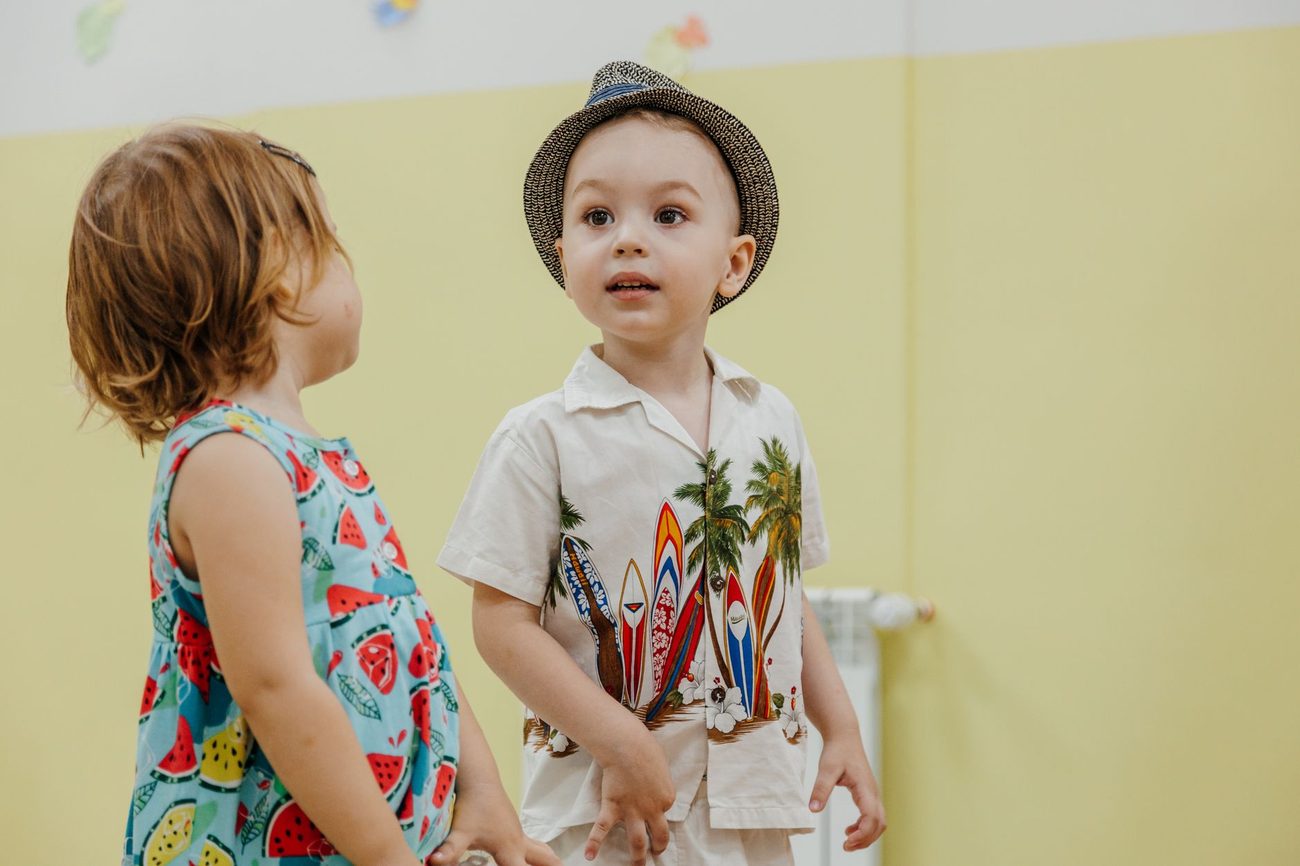
A child goes through roughly a size a year until about age eight, which means most of their clothes are outgrown in good condition, sometimes barely worn. Somewhere nearby there is a family whose child is exactly one size ahead of yours, with a bag of clothes in the closet they do not know what to do with. That is the whole opportunity, and building a system around it brought our clothing budget for two kids down to about $35 a month.
Buy one size up, end of season
Retail clothing is marked down 50 to 70 percent at the end of each season to clear the racks. Winter coats are cheapest in February, swimsuits in August, and shorts in September. We buy at those points, in the size the child will be next year, and store it in a labeled box. The guess is occasionally wrong, and a coat sits for an extra year. It has never been wrong enough to matter.
The swap
This was the part that surprised people. Eight families, a church hall borrowed for a Saturday afternoon, everything sorted by size on tables, and everyone goes home with a bag. It costs nothing and takes an afternoon twice a year. The rules are simple: bring clean clothes in good condition, take what you need, and the leftovers go to a donation bin at the door.
Starting one takes a message to a few families with children of different ages and a place to meet. The first swap had four families and was small. By the third it had twelve and a waiting list. Children's clothes are the easiest thing in the world to give away, because everyone has a bag and nobody wants to run a listing for a $4 shirt.
Where we pay full price
- Shoes. They have to fit today, and secondhand shoes have molded to another foot. We buy shoes new, on sale where possible, and we buy fewer pairs: one for school, one for play, one for weather.
- Underwear and socks. New, in multipacks, when they are on offer.
- One good coat. Bought a size up in February, worn two winters, then passed on.
Where we never pay full price
T-shirts, pants, pajamas, dresses, sweaters and anything for a special occasion. A party dress worn twice is the most common item at every swap. Uniform basics come from the school's own secondhand rail if it has one, and most do.
The monthly budget
| Item | Approximate cost per month, two children |
|---|---|
| Shoes | $18 |
| Underwear and socks | $5 |
| End-of-season purchases, averaged | $10 |
| Swap | $0 |
| Occasional new item | $2 |
Keeping it organized
One box per child per size, labeled, in the top of a closet. When the box for the current size is opened, the previous box goes to the swap. Nothing is kept for sentiment except one small bag per child. Clothes that sit for years in a basement are clothes someone else could have used.
How to start a swap if there is not one
Message four or five families with children of different ages and pick a Saturday six weeks out. Ask a church, a school or a library for a room; most will lend one for a community event at no cost. Set three rules in the invitation: clean clothes in good condition, sorted by size in labeled bags, and whatever is left goes to the donation bin at the door. On the day, set out tables with size cards, let everyone unpack for the first twenty minutes, then open it. It runs itself after that. The whole thing takes an afternoon, and by the second one there is a waiting list.
What we say to the kids
Nothing, mostly. Younger children do not care where clothes came from. Older ones sometimes do, which is why the swap works better than hand-me-downs from a named cousin: a shirt from a table of fifty shirts is just a shirt. The nine-year-old now picks her own from the swap, and treats it as shopping, which in every sense that matters it is.