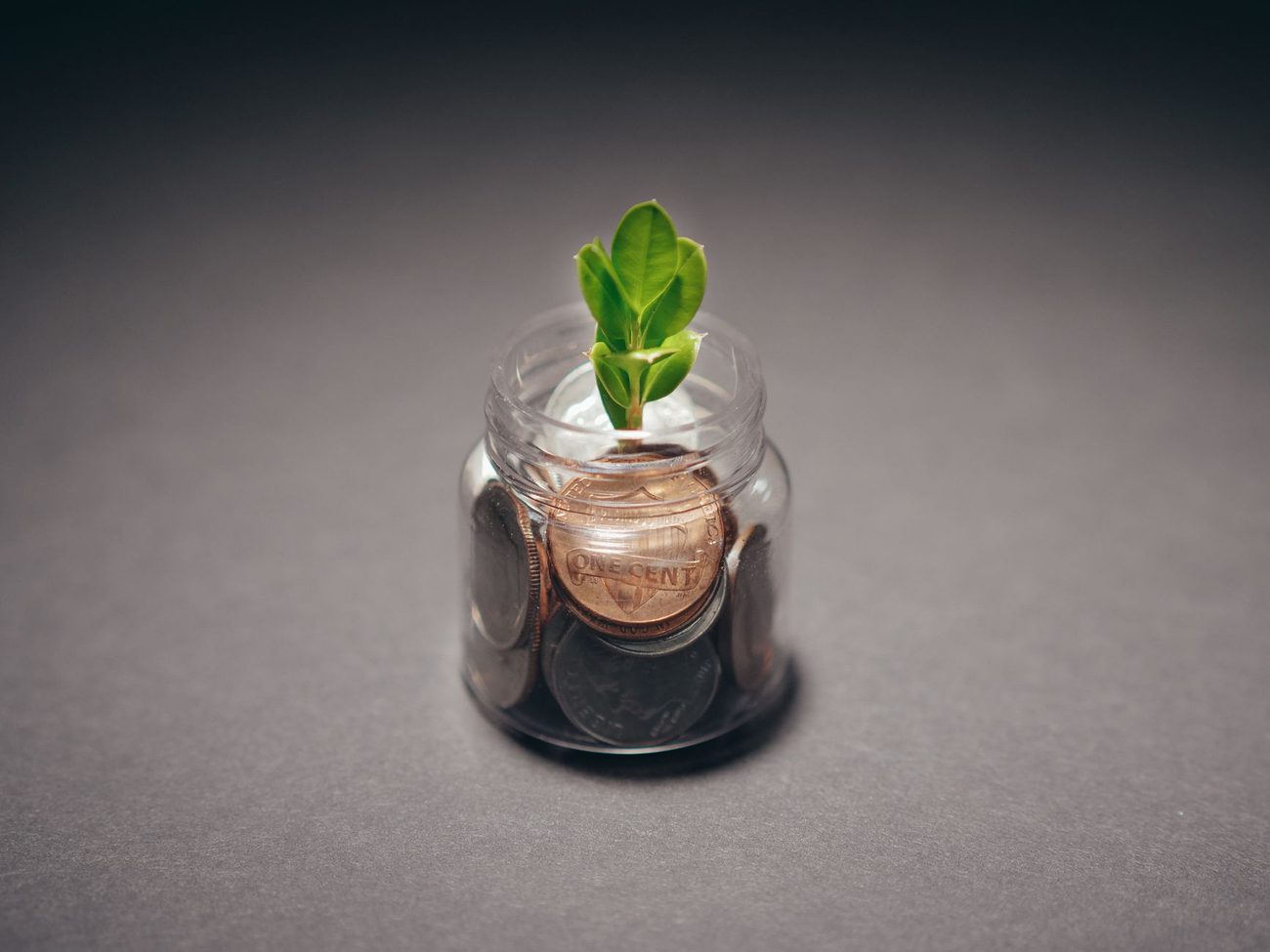
We wanted our kids to learn money the way you learn to swim: in shallow water, before it matters. The three-jar system is the shallow water. Every allowance gets split between three jars labeled spend, save and give, and the child decides how much goes in each, within limits. It is the simplest possible model of a budget, and it has taught more in a year than any conversation we have had with them about money.
The setup
Three clear jars per child, labeled by the child. A weekly allowance in small bills and coins so it can actually be divided. Ours is a dollar per year of age per week, which is common and which we chose mostly because it is easy to explain. The rule is that at least one dollar goes in each jar every week, and the rest is the child's choice.
What each jar is for
- Spend. Anything, any time, no questions. A candy bar, a plastic dinosaur, a comic. This is the jar where mistakes are supposed to happen.
- Save. For something specific that costs more than a week's allowance. The child names the goal, writes it on the jar, and we help them count toward it. A toy at $28 is four or five weeks away at their rate, which is long enough to feel and short enough to reach.
- Give. For something outside the family. Ours have chosen the animal shelter, a school fundraiser and, once, a neighbor whose dog needed surgery. The choice is theirs.
Allowance is not tied to chores
This is a deliberate choice, and people disagree with it. Chores are part of living in the house; everyone does them and nobody is paid. The allowance is for learning to manage money, and a child who can lose it by skipping a chore learns something about leverage rather than budgeting. We have separate consequences for chores, and they are not financial.
The rule that made it work
We never top up the jars. When the nine-year-old spent the entire spend jar on a toy that broke in a day, that was the lesson, and it stuck better than any lecture. When the five-year-old wanted something from the save jar before the goal was reached, the answer was that the jar is for the goal, and the goal was still there the next week. Money that appears when a child runs out is not money; it is a faucet.
What we have seen after a year
| Behavior | Before | After a year |
|---|---|---|
| Asking for things in stores | Constant | Rare; they check the spend jar first |
| Comparing prices | Never | The nine-year-old does it unprompted |
| Saving for a goal | No concept | Both have reached one goal each |
| Giving | Only when asked | The give jar is the first one they fill |
Moving to a bank
When the save jar passes $50, we open a child's savings account and move the money, with the child at the counter. The jar stays; the goal moves to the statement. That is the next stage, and it comes naturally once the jar has taught the first lesson: money that is put aside is still yours, and it grows.
What it costs us
Two allowances come to $14 a week, which is less than we used to spend on the things they asked for in stores. The jars cost $6. The lessons appear to be free.