A garage sale is the fastest way to turn a cluttered house into a few hundred dollars in a single morning, and most of them are run badly. Ours were too, until we started keeping notes on what sold, when and for how much. Our last two sales cleared $1,100 and $840. The difference between them was almost entirely the date and the signs, which cost nothing to get right.
The date
The first Saturday of the month, when paychecks have just landed, beats any other weekend by a wide margin. Late spring and early fall are the strong seasons; summer heat and the weeks before the holidays are weak. Avoid holiday weekends and the day of any local event. Start at seven in the morning. The serious buyers, the resellers and collectors, come between seven and eight-thirty and spend the most.
The signs
Big, plain, high-contrast signs at every turn from the nearest main road, with an arrow and nothing else. Black marker on white board, letters at least six inches high. No dates, no addresses, no cute drawings; a driver has two seconds. We put out eight signs for the $1,100 sale and three for the $840 one, and that was most of the difference. An online listing helps but is secondary; most garage sale traffic is people who saw a sign.
What sells in the first hour
| Sells fast | Sells slowly | Does not sell |
|---|---|---|
| Tools and hardware | Kitchen items | Adult clothing |
| Kids' bikes and outdoor toys | Small furniture | Books and DVDs |
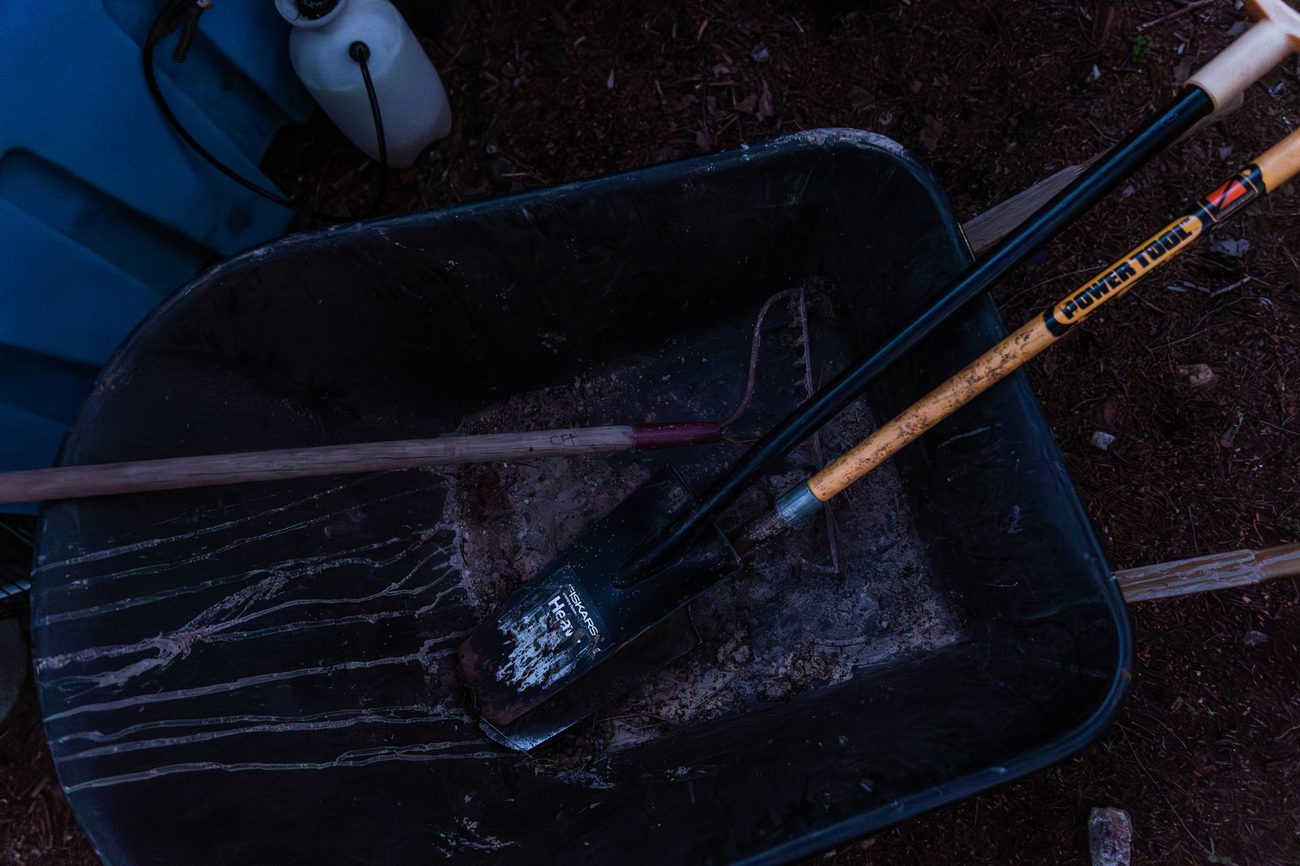
| Power equipment | Toys in good condition | Knick-knacks and decor |
| Camping and sports gear | Linens | Anything broken |
Put the fast sellers at the end of the driveway where they are visible from the street. They are the bait that makes people stop.
Pricing
- Price everything. Unpriced items do not get asked about; they get skipped.
- Roughly 10 to 25 percent of retail for good condition, less for worn.
- Group small things in dollar bins and $5 bins rather than pricing individually.
- Take offers after ten. Before ten, hold the price; after ten, anything reasonable goes.
- Have $60 in change: ones, fives and quarters. Buyers bring twenties.
Setup
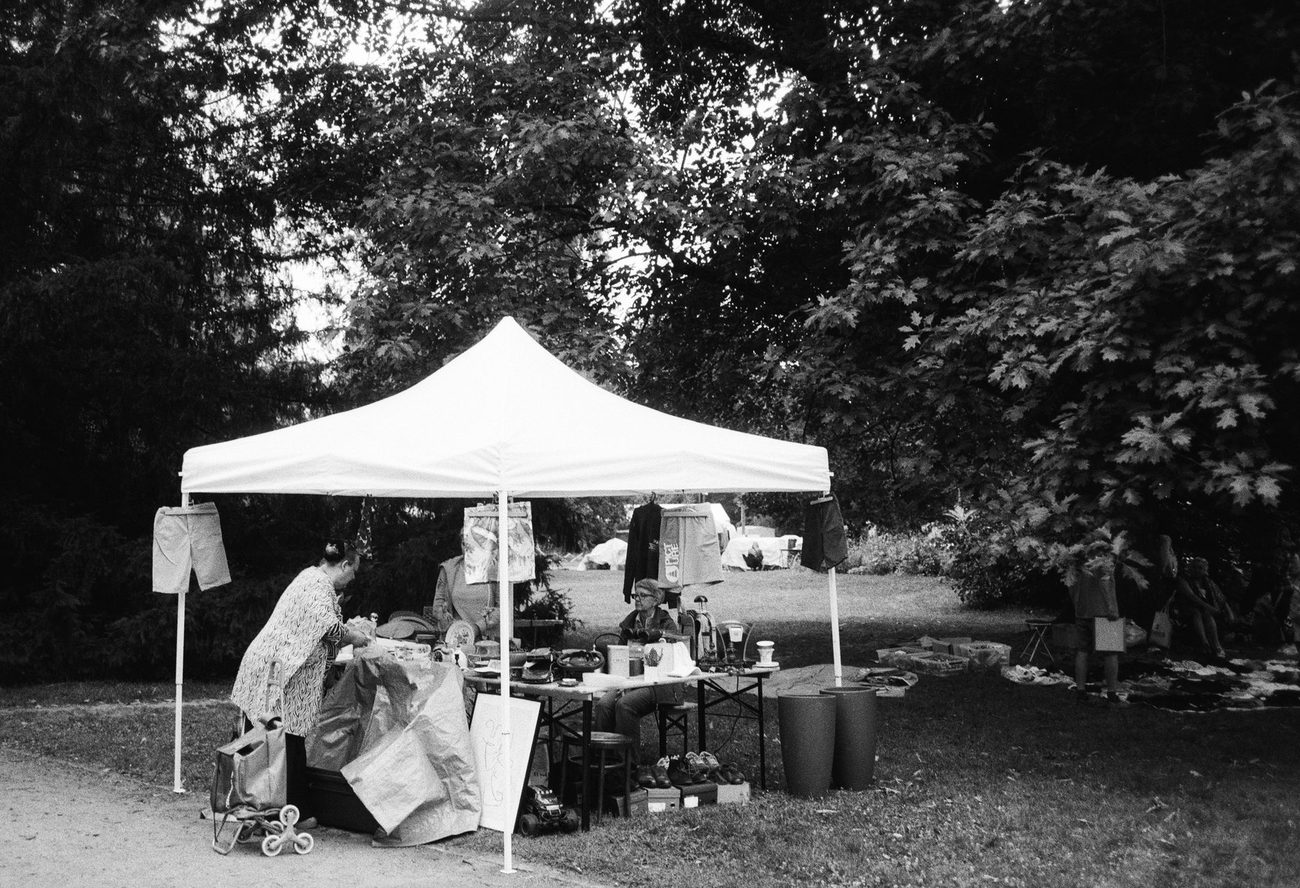
Tables, not tarps. Things on the ground do not sell. Borrow folding tables from neighbors if needed. Hang clothes on a rack if you are selling any. Put an extension cord out so buyers can test electrical items, and label anything that works with a bright sticker.
What to do with what is left
By noon, whatever remains is not going to sell today. A "free" sign at one on the curb clears about half of it by evening. The rest goes to a donation pickup booked in advance for Monday morning, so nothing comes back into the house. That last step is the point of the whole exercise.
The take
Two adults, one Saturday morning, $840 to $1,100 in cash, and a garage you can park in. It is not a business. It is the highest hourly rate we earn all year, and it happens twice.