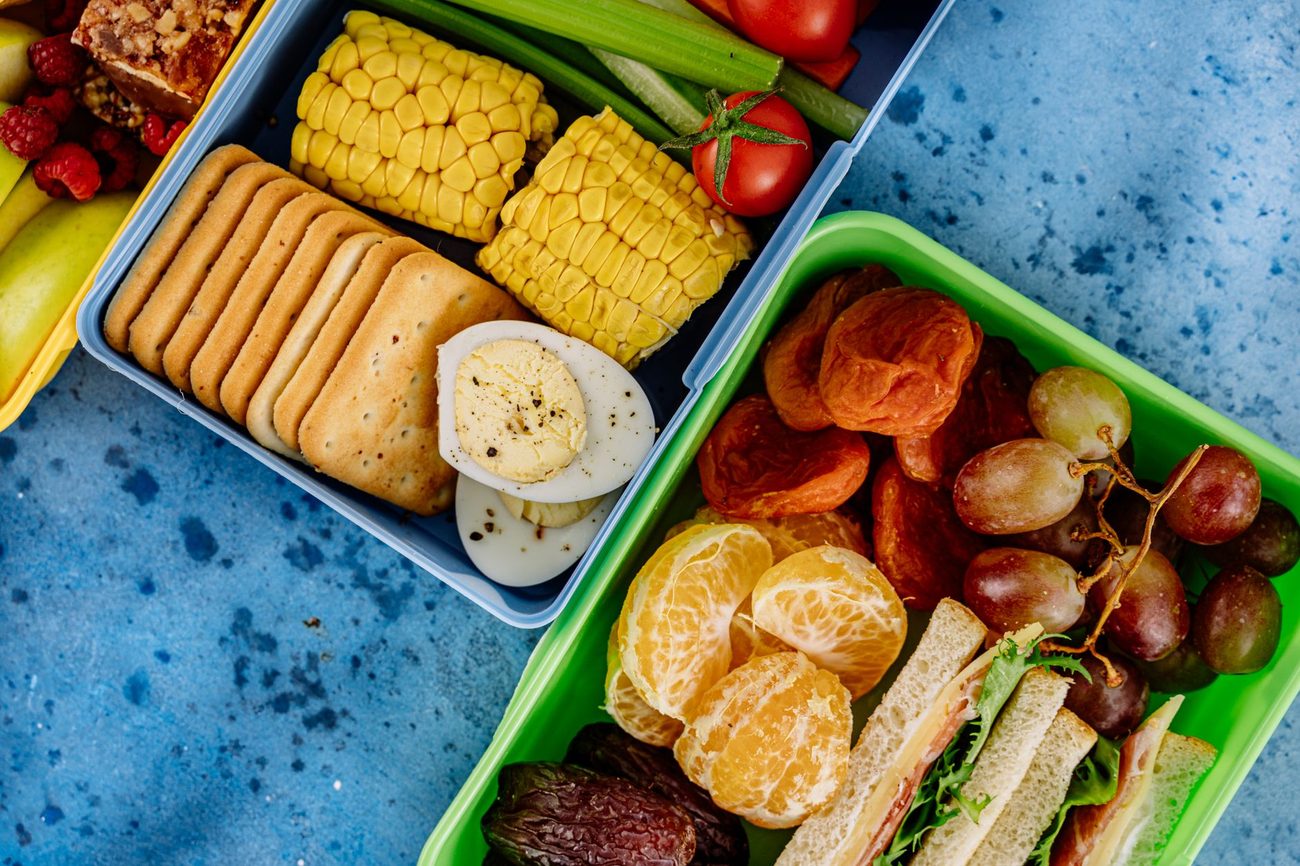
Weeknight dinners fail at six o'clock, not at the store. The food is in the house; the time and the will are not. Batch cooking on Sunday moves the work to a moment when there is time, and the routine matters far more than the recipes. Ours takes two hours, uses one oven and two burners, and produces the raw material for five dinners. It ended the Tuesday takeout call, which had been costing about $45 a week.
The two hours
| Time | Oven | Stove | Counter |
|---|---|---|---|
| 0:00 | Preheat | Rice on, beans on | Chop vegetables for roasting |
| 0:15 | Tray of roasted vegetables in | — | Season chicken thighs |
| 0:30 | Tray of chicken thighs in | Soup base started in the big pot | Chop salad base |
| 1:00 | Vegetables out, second tray in if needed | Soup simmering | Portion rice and beans into containers |
| 1:30 | Chicken out | Soup off | Shred half the chicken; box everything |
| 2:00 | Dishwasher on, fridge full, kitchen clean | ||
What it produces
- A tray of roasted vegetables (whatever was cheap: carrots, peppers, onions, squash).
- Eight to ten chicken thighs, half left whole and half shredded.
- A pot of rice and a pot of beans.
- One large pot of soup or chili.
- A container of chopped salad base: cabbage, carrot, cucumber, whatever holds for a week.
The five dinners
- Monday: chicken thighs, roasted vegetables, rice. Reheated, ten minutes.
- Tuesday: soup with bread. Five minutes.
- Wednesday: burrito bowls: rice, beans, shredded chicken, salad base, cheese, salsa. Assembled cold or warm.
- Thursday: fried rice with the last of the rice, an egg, the vegetables and the remaining chicken. Fifteen minutes.
- Friday: soup again, or the beans as a quick chili over toast. Whatever is left.
Saturday and Sunday are cooked fresh, which is when there is time to enjoy it.
What it saves
About $45 a week in takeout that no longer happens, and roughly four hours of weeknight cooking replaced by two hours on Sunday. The ingredients cost about $40 for the five dinners, which is less than one takeout order for four people. And the kids eat better, because there is always something plain available in the fridge for the picky one.
Things that made it stick
- Containers that stack and are clear. If you cannot see the food, you forget it exists.
- Cooking the base, not the meals. Rice and beans and roasted vegetables can become five different dinners. Five finished casseroles are five identical dinners and everyone is sick of them by Wednesday.
- The same two hours every week. Sunday afternoon, after lunch, with music. It became a habit within a month, and habits do not need willpower.
- Not aiming for perfection. Some weeks it is one tray and a pot of rice. That is still three dinners.
The recipes change with the season. The two-hour block does not.
A winter version and a summer version
In winter the big pot makes a chili or a bean stew and the oven roasts root vegetables and a whole chicken instead of thighs. In summer the oven is used less: the chicken goes on the grill on Saturday and gets shredded on Sunday, the vegetables are raw in the salad base, and the big pot makes a cold pasta or grain salad that holds for four days. The structure is the same; only the ingredients change with the price of what is in season.
What to buy for it
The shopping list for the two hours is short and repetitive: a family pack of chicken thighs on markdown, two bags of rice, dried or canned beans, whatever vegetables are cheapest that week, a cabbage, onions, eggs, and the base for one soup. That comes to about $40 and it is the same $40 every week, which makes the grocery budget very easy to predict. The fresh things for the weekend meals are bought separately and cost whatever the weekend is worth.