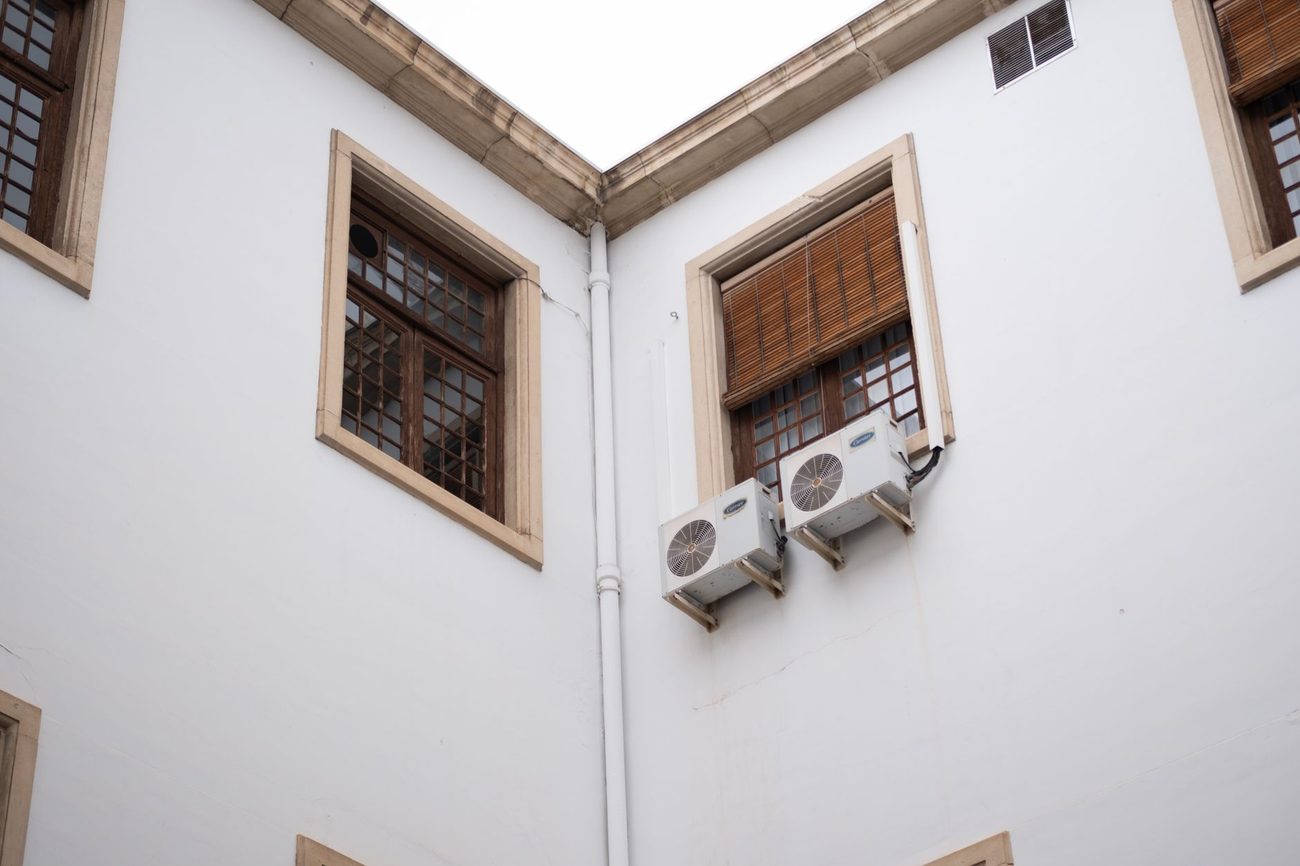
Our house was built in 1962 and leaks air like a screen door. Before spending real money on insulation or replacement windows, we did the cheap version of an energy audit: walked the house on a windy afternoon with a lit candle, and marked with painter's tape every spot where the flame flickered or leaned. It took an hour. We found fourteen spots.
Every one of them was fixed the following weekend for about $60 in materials. The February gas bill came in 11 percent lower than the previous year, on a colder month. This is the highest return we have found on any home improvement, and it needs no skills beyond reading the back of a caulk tube.
The fourteen spots and what fixed them
- Six window frames. Exterior caulk where the frame meets the siding, and rope caulk pressed into the gaps around the sashes on the inside. Rope caulk peels off in spring without damage.
- The attic hatch. This was the biggest leak in the house. A strip of foam weatherstrip around the frame and a piece of rigid foam board glued to the top of the hatch. Probably half of the total saving came from this one square yard.
- Three electrical outlets on exterior walls. Foam gaskets that fit behind the cover plate, a few dollars for a pack of ten.
- The gap behind the dryer vent. A ring of caulk around the outside of the vent hood, and a new flap on the hood itself so it closes when the dryer is off.
- Under the front door. A door sweep screwed to the bottom of the door and foam weatherstrip on the frame.
- The bathroom fan. The damper was stuck open. A little cleaning and it now closes on its own.
- The gap where the kitchen plumbing enters from the crawlspace. A can of expanding foam, applied carefully.
What it cost
| Item | Cost |
|---|---|
| Two tubes of exterior caulk, one of interior | $18 |
| Rope caulk, two packs | $10 |
| Foam weatherstrip roll | $8 |
| Door sweep | $9 |
| Outlet gaskets | $4 |
| Expanding foam | $7 |
| Rigid foam offcut for the hatch | $4 |
The order to do it in
Start at the top. Warm air rises and leaves through the attic, pulling cold air in through every gap lower down. Seal the attic hatch and any ceiling penetrations first, then the windows and doors, then the outlets and plumbing gaps at the bottom. If you only have one hour, spend it on the attic hatch.
What we left alone
The original single-pane windows are still there. Replacement windows would cost more than a decade of the savings they would produce, and the storm windows on the outside already do most of the job. The walls have no insulation, which is a bigger project for a later year. Draft-proofing does not fix either of those. It fixes the air that moves, and moving air is what makes a house feel cold at a temperature that should feel fine.
Do it again next fall
Caulk cracks, foam compresses and sweeps wear. A ten-minute candle walk every October catches what has failed. Most years it is one or two spots and a single tube of caulk.