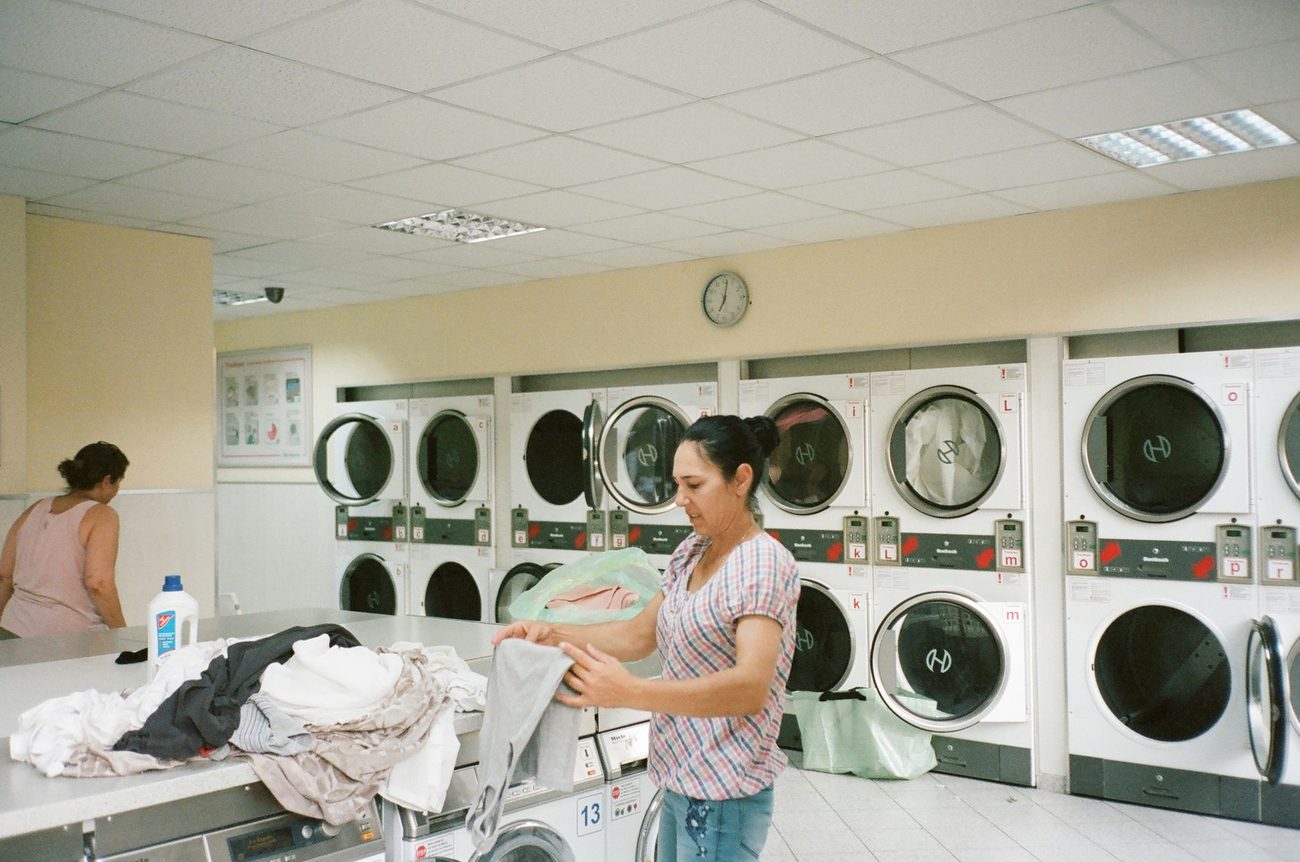
The washing machine is not the problem. Heating the water is. Roughly 90 percent of the energy in a warm-water wash goes to the water heater, not the motor, and modern detergent is formulated to work in cold water for almost everything. The dryer is the other half of the story, and it is worse than most people think. Between them, the habits below were costing our household about $200 a year, which we only found out by changing them one at a time and watching the bills.
Habit 1: warm and hot washes by default
The default on most machines is warm. We switched everything to cold except towels and sheets, which get one hot wash a month. Clothes came out exactly as clean. Colors held better. The cost per load dropped by more than half, and at six loads a week that was the single biggest change on this list.
Habit 2: running the dryer by the clock
A load that runs until the timer ends instead of until it is dry costs about twenty extra minutes of heat per cycle. Most dryers have a moisture sensor setting that stops the machine when the clothes are actually dry. Ours had one. We had never used it. Switching from the 60-minute timer to the sensor setting cut the average cycle to about 42 minutes.
Habit 3: the lint filter
A clogged lint filter restricts airflow and makes every cycle longer. Cleaning it before every load takes five seconds. Once a year, the vent hose behind the machine should be pulled off and cleared too; ours had enough lint in it to stuff a pillow, and that is also a fire risk, not just a cost.
Habit 4: half loads
A half load uses almost as much water and energy as a full one. We started waiting for full loads, which meant buying a second laundry basket so lights and darks could accumulate separately. Two fewer loads a week is about a hundred fewer cycles a year.
Habit 5: drying things that do not need drying
A folding rack in the laundry room handles most of the small stuff and all of the delicates. In summer, with the window open, a full load of shirts dries in a few hours. In winter it takes overnight, which is fine if you plan for it. We now machine-dry towels, sheets and jeans and hang almost everything else. The dryer runs about half as often as it used to.
What it added up to
| Change | Estimated yearly saving |
|---|---|
| Cold washes | $70 |
| Sensor drying and clean filter | $55 |
| Full loads only | $35 |
| Hanging half the laundry | $45 |
About $205 a year, based on our rates and roughly six loads a week. Households that run the dryer more, or that pay more for electricity, will see more.
Things we tried that did not help much
Dryer balls made no measurable difference. A more expensive detergent did not clean better than the store brand in cold water. Running the washer at night saved a little on our time-of-use rate, but the amount was small and it meant hanging laundry at midnight, so we stopped. The five habits above are the ones that lasted.